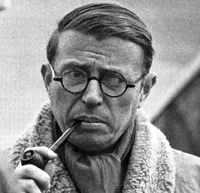
Jean-Paul Sartre
Sartre interrogates the human condition through existentialism, delving into themes of freedom, alienation, and bad faith. By merging narrative artistry with philosophical rigor, Sartre challenges readers to confront the inherent absurdity of existence. His works, such as "Nausea," exemplify this by presenting characters who navigate a world devoid of intrinsic meaning. In this manner, Sartre's books serve as philosophical explorations, compelling audiences to reconsider the ways in which they define their existence and grapple with the absence of divine guidance.\n\nSartre's method involves a meticulous dissection of consciousness and freedom, thereby constructing a framework that highlights personal responsibility amidst a chaotic universe. He adeptly weaves philosophical discourse with storytelling, which enables readers to engage with complex ideas in an accessible format. Whereas many philosophers confine their discussions to abstract theory, Sartre situates his existential inquiries within the lived experiences of his characters. This approach ensures that the reader can readily grasp the implications of existentialist thought, thus fostering a deeper understanding of their own role in shaping meaning.\n\nFor the reader, Sartre's profound insights offer a pathway to greater self-awareness and autonomy. His exploration of existential freedom challenges individuals to confront their own potential for self-deception, inspiring them to live authentically. Consequently, Sartre's works resonate with those seeking to explore philosophical questions about existence and personal agency. Although his rejection of the Nobel Prize underscores his commitment to independence, it is his relentless pursuit of truth through literature that cements his legacy. In summary, Sartre's unique contribution lies in his ability to illuminate existential philosophy through compelling narrative, inviting readers to embark on a journey of introspection and self-definition.
Books by Jean-Paul Sartre
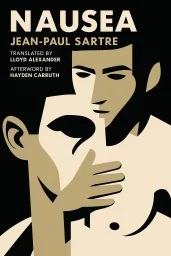
Nausea
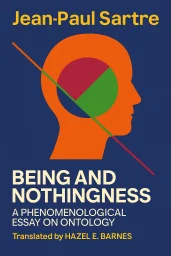
Being and Nothingness
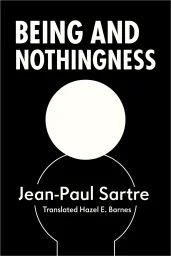
Being and Nothingness
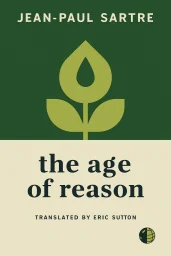
The Age of Reason
Popular Authors

Robin Sharma
5 books

James Clear
2 books

Sarah Knight
4 books

Daniel Goleman
9 books

Stanley D. Rosenberg
1 books

Anthony Scaramucci
1 books


Niall Kishtainy
1 books
J. Richard Gott
1 books

Trevor Moawad
2 books

Mark McNeilly
1 books

Lara Love Hardin
4 books
